 |
 |
Review by Terrence Kelsey |
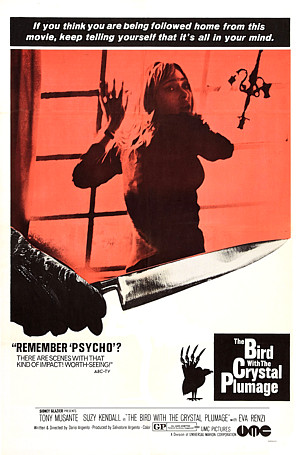 THE BIRD WITH THE CRYSTAL PLUMAGE aka L'uccello dalle piume di cristallo - 1970 THE BIRD WITH THE CRYSTAL PLUMAGE aka L'uccello dalle piume di cristallo - 1970USA Release: June 12, 1970 Central Cinema Company Film (CCC), Glazier, Seda Spettacoli Rated: Argentina, Iceland, Netherlands, Norway, West Germany: 16 / Australia: MA / Canada: 13+ / Finland: K-18 / France: -12 / Italy: VM14 / Singapore, USA: PG / Sweden: 15 (EDITED) / UK: 15 (video re-rating - 2005) |
||
With the opening scene of a mysterious black gloved hand typing a letter, we begin Dario Argento's classic debut foray into the giallo genre - the highly influential THE BIRD WITH THE CRYSTAL PLUMAGE.
Following this scene, we see someone's POV through a camera's lens, as still photos are snapped of a cute young woman walking down the street. A haunting female chant scored by Italian maestro Ennio Morricone completes the visage. A newspaper article announces the next day that this particular young lady has been found murdered.*
Written by Argento (as he would write and direct all of his films throughout the 70’s and 80’s) centers around an American author Sam Dalmas (Tony Muscante) staying in Italy, whom on one fateful night witnesses an attempted murder on a woman, named Monica Ranieri (Eva Renzi: BITE ME, DARLING) inside an art gallery owned by her husband Alberto Ranieri (Umberto Raho - Argento’s CAT O’ NINE TAILS; THE NIGHT EVELYN CAME OUT OF THE GRAVE).
TRIVIA Now for the GRATUITOUS J & B shots (and their appearance in this giallo film - go get your drink on): 56 min., 19 sec. |
Unable to leave the country as planned, Sam and subsequently his gorgeous girlfriend Julia (Suze Kendall - TORSO, SPASMO) must stay until the police, led by Inspector Morosini (Enrico Maria Salerno - NIGHT TRAIN MURDERS) can solve the case, which involves a rash of recent murders on innocent young women.
Eventually, Sam decides to play detective himself, since the incident he witnessed doesn't seem to add up in his mind. The closer he comes to figuring out the killer's identity, the more he and his girlfriend become targets.
Along the way, he meets strange, nefarious characters (or caricatures) whom give little clues here and there. Argento is notorious for putting off-beat strangers in his films to supply comic relief, whether they be gay, have a speech impediment or are mentally-challenged - a somewhat ugly pre-PC trend that has worked its way into many other Italian directors' giallo films of the day.
Giving himself the chance to shine with his debut feature after working first as a film journalist, then as a screenwriter (most notably co-writing the story to Sergio Leone’s 1968 epic western ONCE UPON A TIME IN THE WEST), BIRD is a tightly wound thriller that clearly has influenced filmmakers around the world, especially in North America (as well as his fellow Italians).
Although Mario Bava is considered to be the Godfather of Italian Horror and the Giallo genre in particular with his films THE GIRL WHO KNEW TOO MUCH (1963) and BLOOD AND BLACK LACE (1966), it was Argento who was the first to introduce to the genre the subjective POV (point of view) shots from the killer's perspective - a gimmick cleverly employed prior in Michael Powell's PEEPING TOM (1960), where we literally see the killer (via his POV) use his camera as a deadly instrument.
Furthermore, Argento's use of the killer's subjective POV predates its appearance in Bob Clark's BLACK CHRISTMAS (1974) and John Carpenter's HALLOWEEN (1978), although those two influential films often get credited for introducing this gimmick to the American slasher genre.
Another observation I have noticed over the years that nobody else seems to mention is how much of an influence BIRD has had on Brian De Palma's DRESSED TO KILL (1980). The infamous elevator kill scene in DRESSED is nearly shot-for-shot identical to the one in BIRD. In addition, there's the sexual nature of the crimes, and lastly the "alleged identity" of whom we assume the killer to be (De Palma twists Argento's revelation on its head in DRESSED).
Personally, I believe these two iconic directors have been playing one-ups-manship with their thrillers over the years, often going tit-for-tat on who is going to outdo the other.
Granted, Argento has a gifted artistic eye. However, it's also fortunate he had master cinematographer Vittorio Storaro (later famous for his Oscar win on Francis Ford Coppola's APOCALYPSE NOW) by his side. The two of them create a frenetic pastiche of moving images that are expertly edited together by Franco Fraticelli, which works in conjunction with Morricone’s sinister jazz score.
The pacing has a peculiar musical rhythm to it that keeps the action and suspense moving along to its surprise conclusion.
Many a filmmaker today (especially within the horror genre) could learn from THE BIRD WITH THE CRYSTAL PLUMAGE on how to effectively create tension, instead of relying simply on cheap laughs, cheap scares and excessive gore all the time.
Yes, Dario Argento's seminal debut definitely deserves 5 Shriek Girls!!! Watch and learn.

This review copyright 2009 E.C.McMullen Jr.

|
| CHANGE YOUR SHIRT | |

| YOU MIGHT ALSO ENJOY (Sub-Section: THRILLERS) |
||
 |
 |
 |
| KILL BILL MOVIE REVIEW |
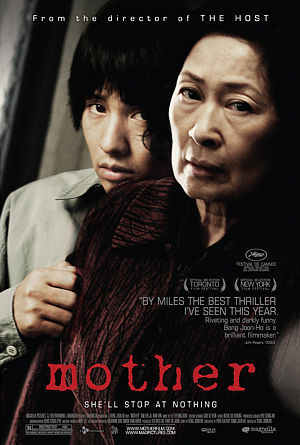
MOTHER MOVIE REVIEW |
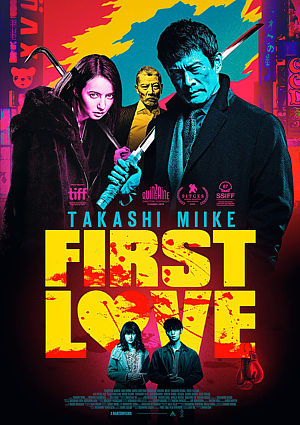
FIRST LOVE MOVIE REVIEW |
| FEO AMANTE'S HORROR THRILLER Created by: E.C.MULLEN JR. |
| COME FOLLOW ME @ Amazon |
| ECMJr |
| Feo Blog |
| IMDb |
| Stage32 |
| YouTube |
| Zazzle Shop |